
Nature as a Classroom: The Benefits of Outdoor STEM Learning
On average, children in the U.S.A spend up to 90% of their time indoors. At the Princeton-Blairstown Center, we believe that these statistics represent both a challenge and an opportunity at the center of our mission. This trend in young people is sometimes referred to as the “Indoor Generation,” who are more at risk for respiratory issues, behavioral disorders, and developmental problems due to reduced exposure to natural environments. For this generation, it is of the utmost importance to put down the screens and step outside.
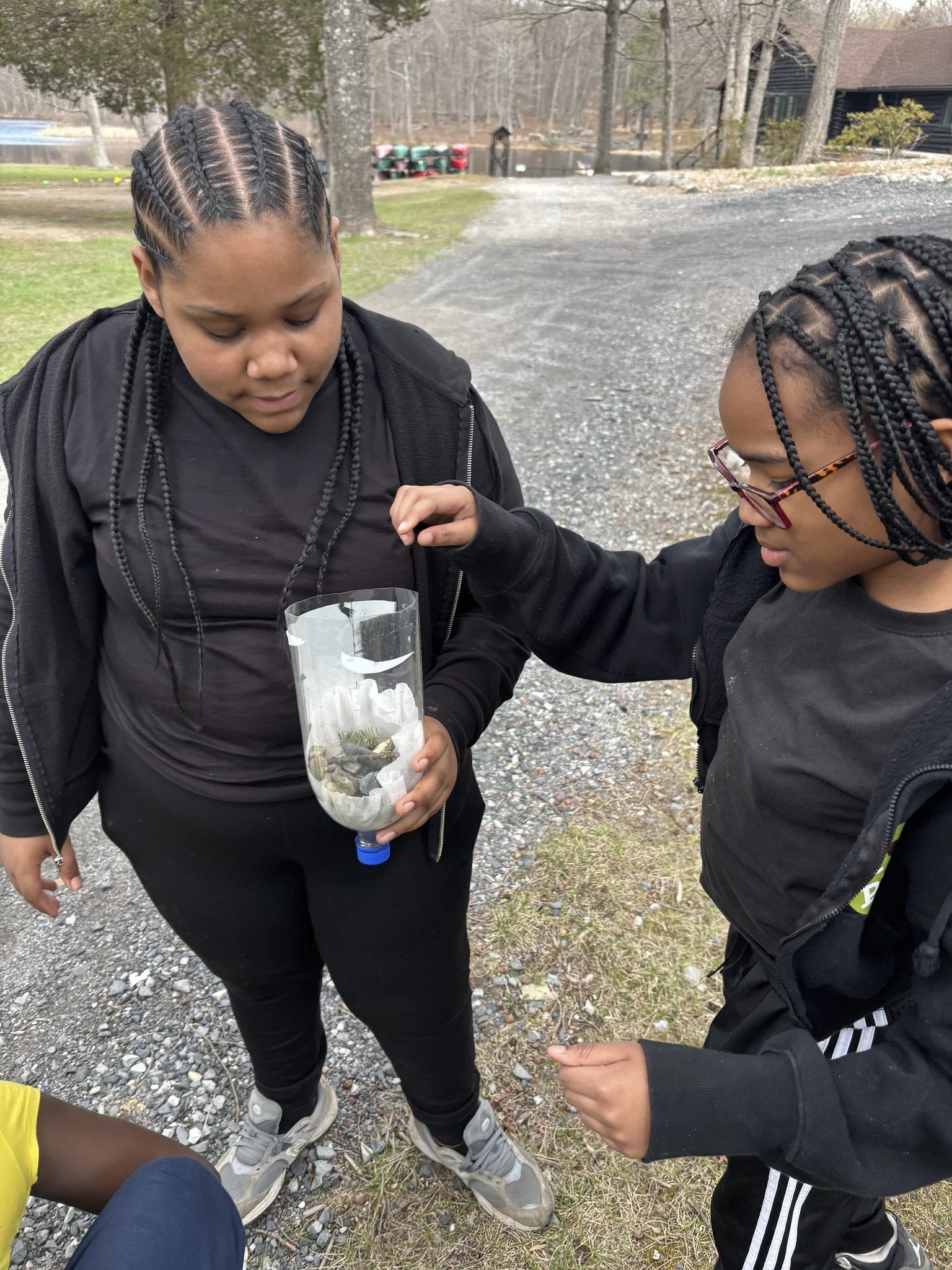
Author Richard Louv, in his book “Last Child in the Woods”, argues that technological advancement has contributed to a disconnection between children and the natural world, reducing children's sense of wonder and awe while increasing stress and attention difficulties. At PBC, we see this firsthand, and it is partly why we created Venture Out, a 2-day, overnight residential program designed to reconnect middle school students from Trenton with the natural world through inquiry-based environmental education and social and emotional learning.
The natural world offers something no screen can replicate: an exciting, multisensory environment that captures students' attention, boosts concentration, and facilitates deeper learning. While lack of engagement could be one educator's greatest challenge, nature may be one of the greatest untapped resources. At the Princeton-Bliarstown Center, we notice that the most effective learning happens when students are fully immersed in the environment they are studying, and post-program surveys back that up: 85% of Venture Out students reported enjoying learning about the natural environment.
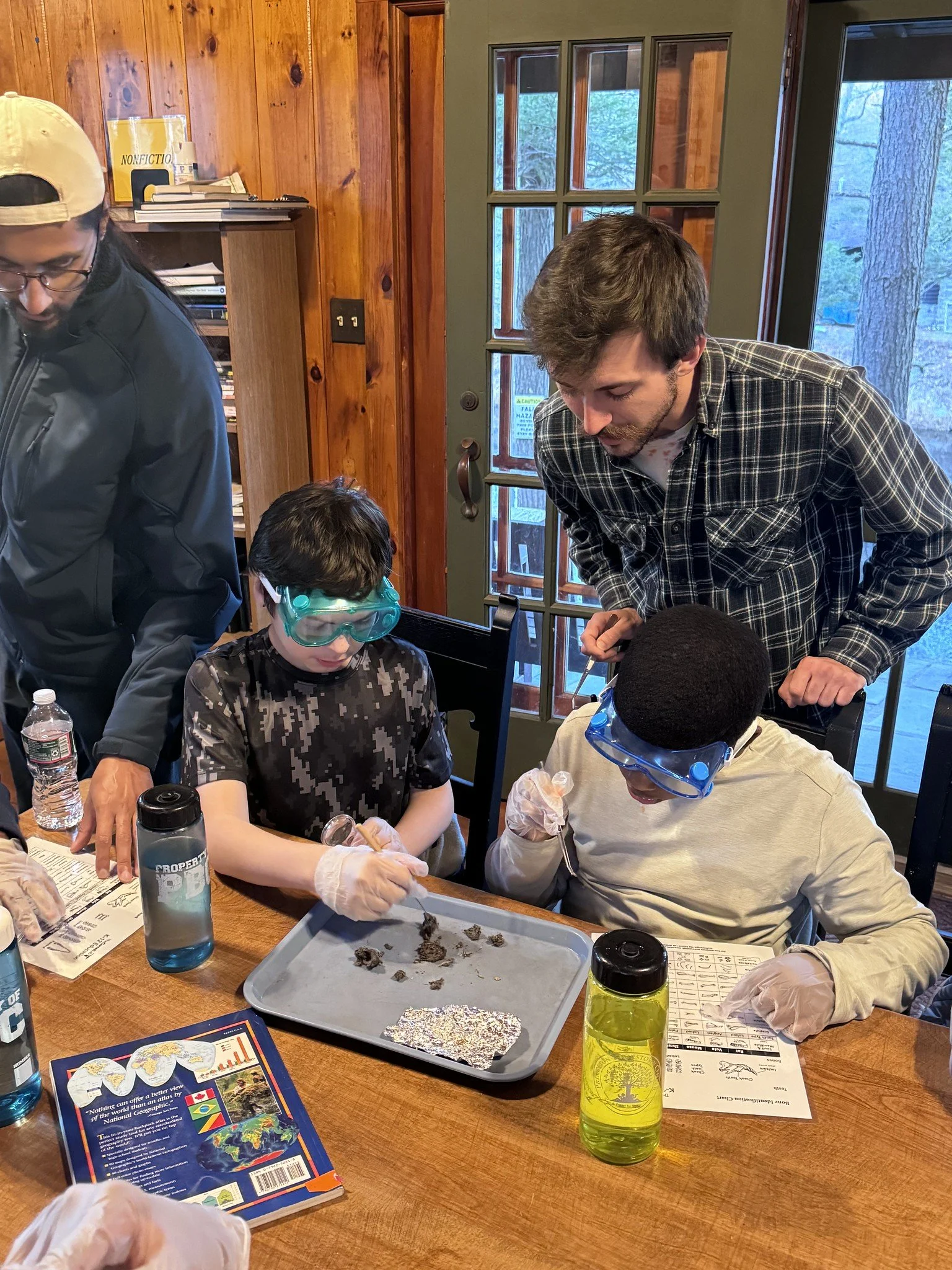
STEM education (Science, Technology, Engineering, and Math) is built on the principles of hands-on problem-based learning. A student well-versed in STEM tends to be an innovative and critical thinker. And there may be no better environment for cultivating those skills than the natural world itself. At PBC, we have seen this translate directly into career awareness: 87% of Venture Out students left understanding that there are real jobs and career options available for those trained in STEM.
A 2022 systematic review published in the Journal of Environmental Psychology examined 30 studies on children exposed to nature and found significant positive effects on attention, memory, and concentration, as well as behavioral outcomes such as impulse control and physical activity, and social outcomes, including prosocial behavior. Nature does not just provide an environment for learning, it restores and strengthens the mental resources students need to learn and thrive. At PBC, our chaperones witness this transformation in real time: 100% of Venture Out chaperones reported that their students showed increased joy in being in nature, and 100% feel they could apply what they learned at PBC back in their own schools and organizations.
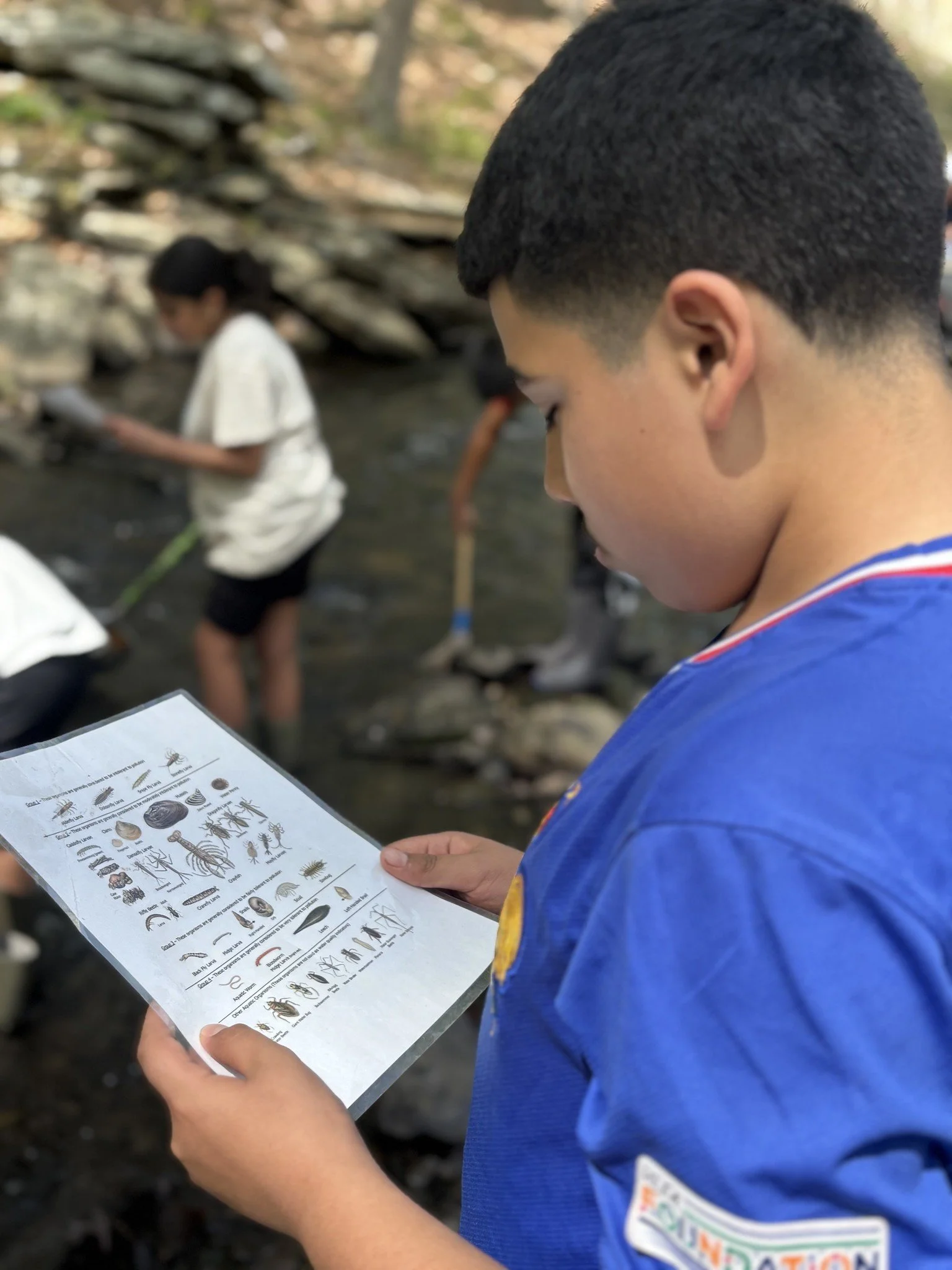
Outdoor STEM learning does something else that a traditional classroom cannot: it connects what they are reading to physical immersion in that world. When students observe a predator-prey relationship firsthand, dissect an owl pellet, or watch a creek respond to seasonal change, they aren't just gathering data, they're developing environmental awareness and empathy, as well as a sense that the natural world is alive, connected, and worth understanding. These experiences at the Princeton-Blairstown Center foster collaboration, resilience, and curiosity in ways that carry far beyond any single lesson. The outdoors levels the playing field, invites different kinds of intelligence, and gives students who may struggle in traditional settings a chance to shine. As one Venture Out chaperone put it: "Many students took on leadership roles that they usually wouldn't. They experienced nature and learned more about their environment."
Understanding the research is one thing, but delivering it is another, and that's exactly what programs like Venture Out are doing. Since launching in 2023, PBC has welcomed 686 students and 102 chaperones from Trenton middle schools through Venture Out. Students study real ecosystems, conduct fieldwork in Blair Creek, explore wildlife adaptations, and investigate climate change through the lens of phenology, all guided by experienced educators in the very environment the science describes. It is, in short, everything the research recommends: sustained time in nature, hands-on STEM learning, and the kind of wonder that makes students want to keep asking questions long after they've gone home.
Put down the screen and step outside. Learn more about Venture Out here!