
Rebuilding Connection In The Digital Age
As Valentine’s Day passes, the month of February often creates a desire for connection, love, and community. In our fast-paced digital landscape, the foundations of mental health may feel difficult to maintain. Constant engagement with social media and technology can make it feel impossible to sustain genuine relationships with friends, family members, and coworkers. Most importantly, this relentless digital engagement can disrupt our connection to ourselves. We find ourselves in a time where technology promises seamless connection, yet emotional closeness can still feel hopeless. This phenomenon has been referred to as the “paradox of connection,” where limitless digital interaction walks hand in hand with escalating feelings of loneliness and social disconnection.
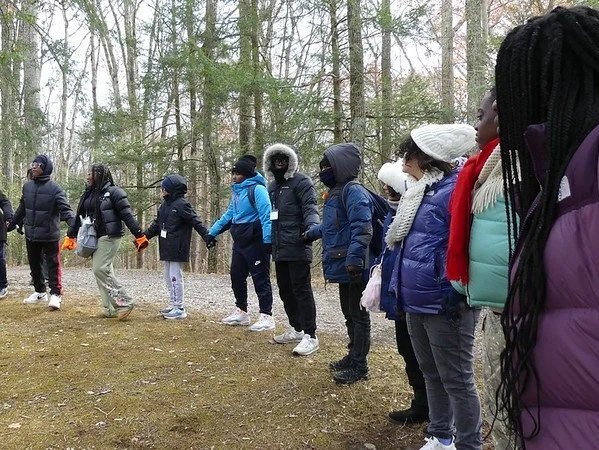
We live in a time when technology promises connection in seconds, yet emotional closeness often feels out of reach. Real connection is a basic human need, not merely a convenience. At the Princeton-Blairstown Center (PBC), the focus on building connection and community is at the heart of our work. While social media and digital tools help people stay informed and connected to the broader culture and world, they do not create emotional bonds on their own. Being connected online is not the same as being connected in real life.
In a TEDMED conversation on technology and youth resilience, psychologist Dr. Anne Marie Albano emphasizes the importance of open communication, trust, and healthy digital boundaries in building meaningful relationships. She explains that when parents and caregivers shift away from micromanaging digital use and instead focus on strengthening coping skills and encouraging in-person connection, the way PBC focuses on social & emotional activities and skills, children gain confidence in forming friendships and engaging authentically with others. While it may feel impossible to tear young adults away from their screens, encouraging intentional use and in-person communication can help youth prioritize relationships outside their screens.
Despite the consuming nature of technology, these research-supported strategies can help young adults reconnect:

Use technology intentionally, treating social media as a bridge to real-world interaction rather than a destination for passive scrolling.
Establish phone-free moments during meals, outdoor activities, or group conversations, to allow for uninterrupted presence.
Practice active listening by giving full attention, maintaining eye contact, and removing digital distractions.
Create shared experiences, whether in person or online, that encourage collaboration, conversation, and reflection rather than doom scrolling.
For children and teens, these practices are especially important. Wellness Counseling Services emphasizes that rebuilding connection often begins with small steps, such as reaching out to one friend, joining a club, or pairing social time with low-pressure activities like outdoor time or grabbing a meal. Building connection does not require drastic action but intentional action, which can lay the foundation for meaningful relationships.

At PBC, we believe connection grows through shared experiences, presence, and community. By stepping away from screens and engaging with one another in nature, participants rediscover the value of collaboration, conversation, and genuine human interaction. Outdoor spaces create an environment where attention slows, and meaningful connections can form.
This February, rebuilding connection does not require rejecting technology; it requires choosing moments of presence, shared experience, and intentional engagement. In a digital world that constantly demands our attention, making space for real connection is one of the most important choices we can make.