
EverLIT: Sparking Leadership and Legacy
Guest Post by Justin Tenley, LIT Coordinator
There is something special about a campfire. Throughout human history, people have utilized fire to commemorate such sacred traditions as storytelling and performance rituals. For Native Americans, the campfire was a sacred classroom where elders would gather to pass on creation stories, tribal traditions, and wisdom from generation to generation. Across Asia, fire plays a central role in honoring ancestral connections. In South America, storytelling blends with musical performance during bonfires to capture the tales of mountain spirits and ancient gods. In Africa, oral traditions spoken around the fire emphasize community preservation and the passage of practical knowledge, such as survival skills. In South India, the Bhogi festival celebrates the discarding of old possessions, symbolizing new beginnings. In many places throughout the world, fire in cremation ceremonies is used to purify and release the spirit. For as long as there has been fire, people have gathered together around it.
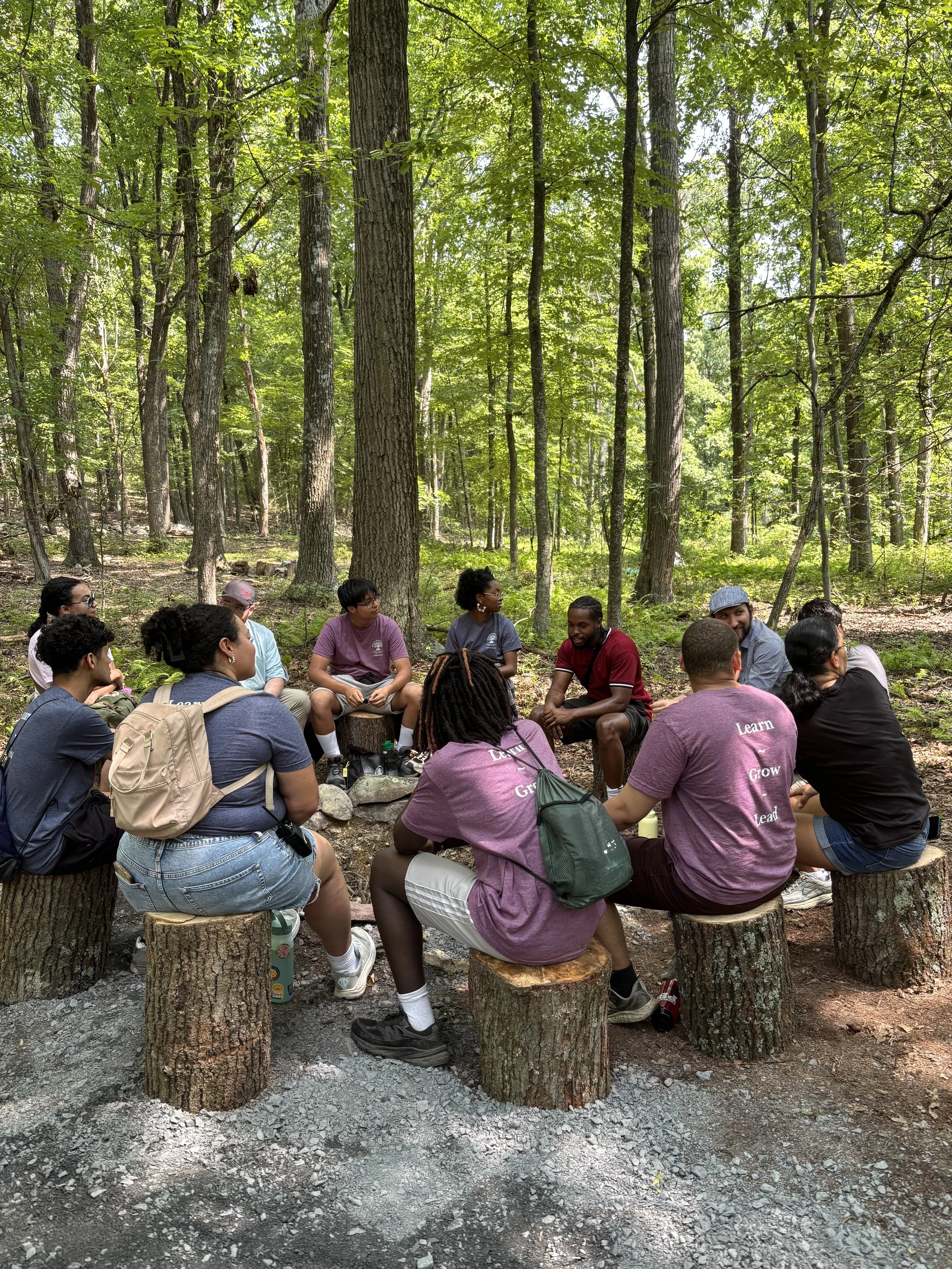
At Princeton-Blairstown Center, the modern-day campfire holds incredible significance as well, which is why during the 2026 Summer Leaders-In-Training (LIT) Program, our eight rising junior and senior high school participants began and ended each of the five weeks of the program in community and connection around a campfire. There is something about the flicker of the flames, the half-lit circle of faces, and the enveloping darkness of the surrounding night, with its unseen and unfamiliar sounds, that invites us to bond with one another, as well as to dig deep into ourselves in honest introspection. The experience has become a pillar of the LIT Program. Around the campfire, the light invites us to speak openly, sometimes sit silently, and—most importantly—listen differently and intently. (Roasting marshmallows for s’mores is also great.)
Every Student Arrives With a Story
Princeton-Blairstown Center’s residential Leader-In-Training Program is intensive. Even before completing a competitive application and interview process, each participant must be nominated by a teacher or mentor who has already witnessed their leadership potential. Once the participant has been invited to join the selective cohort of 8–10 students, they will engage 24/7 for the next five weeks in the following curriculum to successfully complete the program. During their time on Campus, LITs will:
• Explore a range of leadership styles, while identifying their default leadership styles, and actively developing leadership skills;
• Hone critical 21st-century and social and emotional skills (SEL) like communication, cooperation, critical thinking, creativity, problem-solving, teambuilding, and decision-making through the Center’s program initiatives, challenge courses, and high ropes courses;
• Engage in hands-on financial literacy, leadership literature, and STEM classes to combat learning loss;
• Rotate through job areas at the Center to learn hard and soft employment skills;
• Receive mentoring and practice goal setting to develop a post-high school plan for future education and/or work;
• Develop a resume and LinkedIn profile for guided professional networking;
• Learn the value of connection and reflection through conversation in small groups with a focus on one’s personal journey and developing the tools needed to navigate life.
Their reasons for choosing to spend their summer focused on the type of growth and development that only occurs when one steps outside their comfort zone are as individual and unique as our LITs themselves. Some join the program because they have never had access to nature and wildlife, and they are excited for the chance to experience this new world in a setting that is safe with experienced facilitators to guide them. Some of our leaders have never been away from home, friends, and family, and want the chance to experience such independence on a smaller scale before eventually moving away from home to attend college or work. Other leaders love working with youth and look forward to the opportunity to practice their leadership skills by mentoring the middle-school-aged Summer Bridge Program participants that rotate through the campus over the same five-week period. There are other reasons as well. One of the LITs stated during their interview, “I don’t want to spend another summer playing video games at home. I want to do something bigger.”
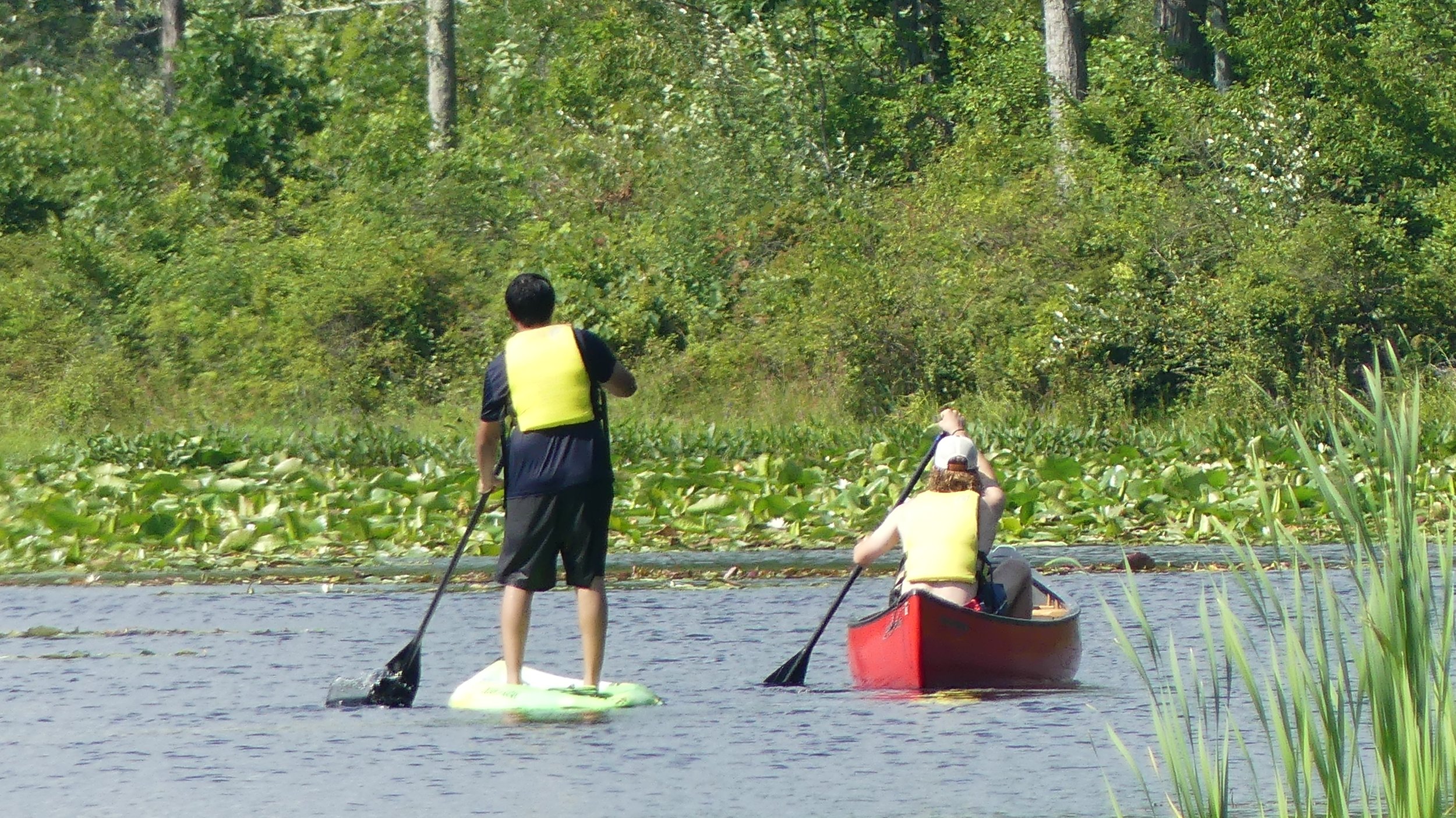
Like their reasons for choosing the program, their lived stories and experiences are equally varied. There are many stories that the students bring with them. Some of these stories are the ones the participants tell themselves about who they are and what they are capable of. Some of the stories they carry may not even be their own, but are narratives that have been pushed on them by others or by social media. Some stories are brought to light by the flames of a campfire.
The Stories We Tell Around A Fire
Our LIT participants are at an age where they have just begun to think about and look forward to the transition from their high-school life to what’s next. They are hyper-aware of how they present themselves and are perceived by their peers, and they are extremely sensitive to toxic and unrealistic comparison culture, pushed incessantly by a perpetual feed of social media. By this time, they usually have a well-constructed narrative about themselves, sometimes positive, sometimes not so much: I’m the quiet one. It’s hard for me to feel like I belong. I don’t do outdoorsy things. I’m scared to try new things. I worry about what others think of me. I’m not a leader; I am an imposter.
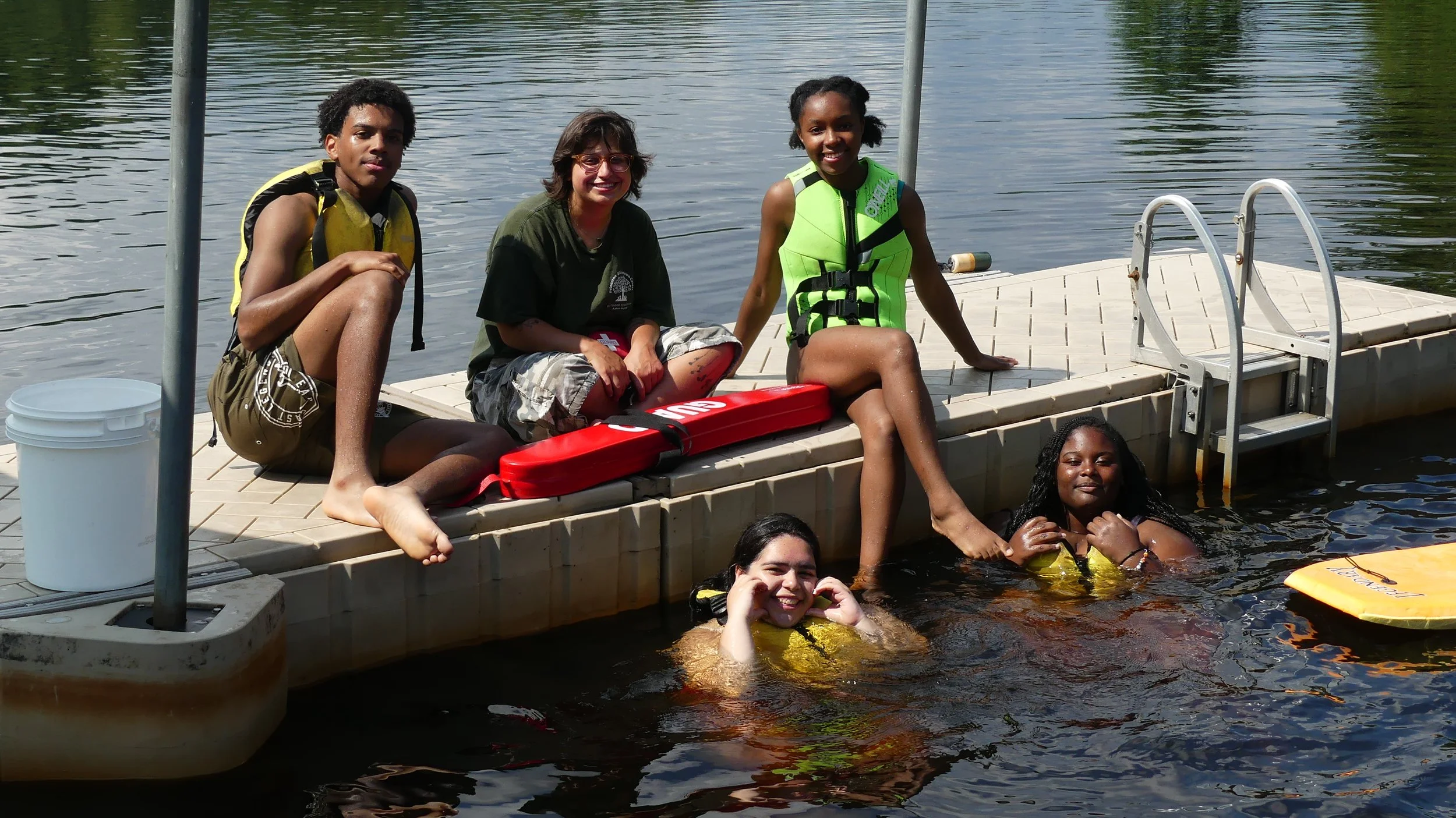
Through Princeton-Blairstown Center’s Challenge-by-Choice philosophy, through the close adherence to inclusivity, and through our LIT Mentors’ gentle abilities to foster a space of physical and emotional safety, these narratives that have become so settled and ingrained are given the opportunity to be challenged and changed. The LIT Program, as well as camps in general, provides a place to take our narratives and to revise them.
“It’s hard for me to feel like I belong” becomes “I have a built-in community that cares about me.”
“I’m not outdoorsy” becomes “I’m no longer limited by my fear of spaces that feel unfamiliar.”
“I’m not a leader” becomes “I have practiced my leadership skills and have grown into a stronger version of myself, one that others look to as a leader.”
Over five weeks, the LIT participants shared the campfire as a sacred space. Sitting on stumps in a circle, with the darkness behind and the light in front of them, the campfire became a space of sharing both the triumphs and challenges that they were experiencing. With each campfire, they were writing their own fuller, more complete narratives, supported by their peers who listened, uplifted, and challenged them as appropriate.
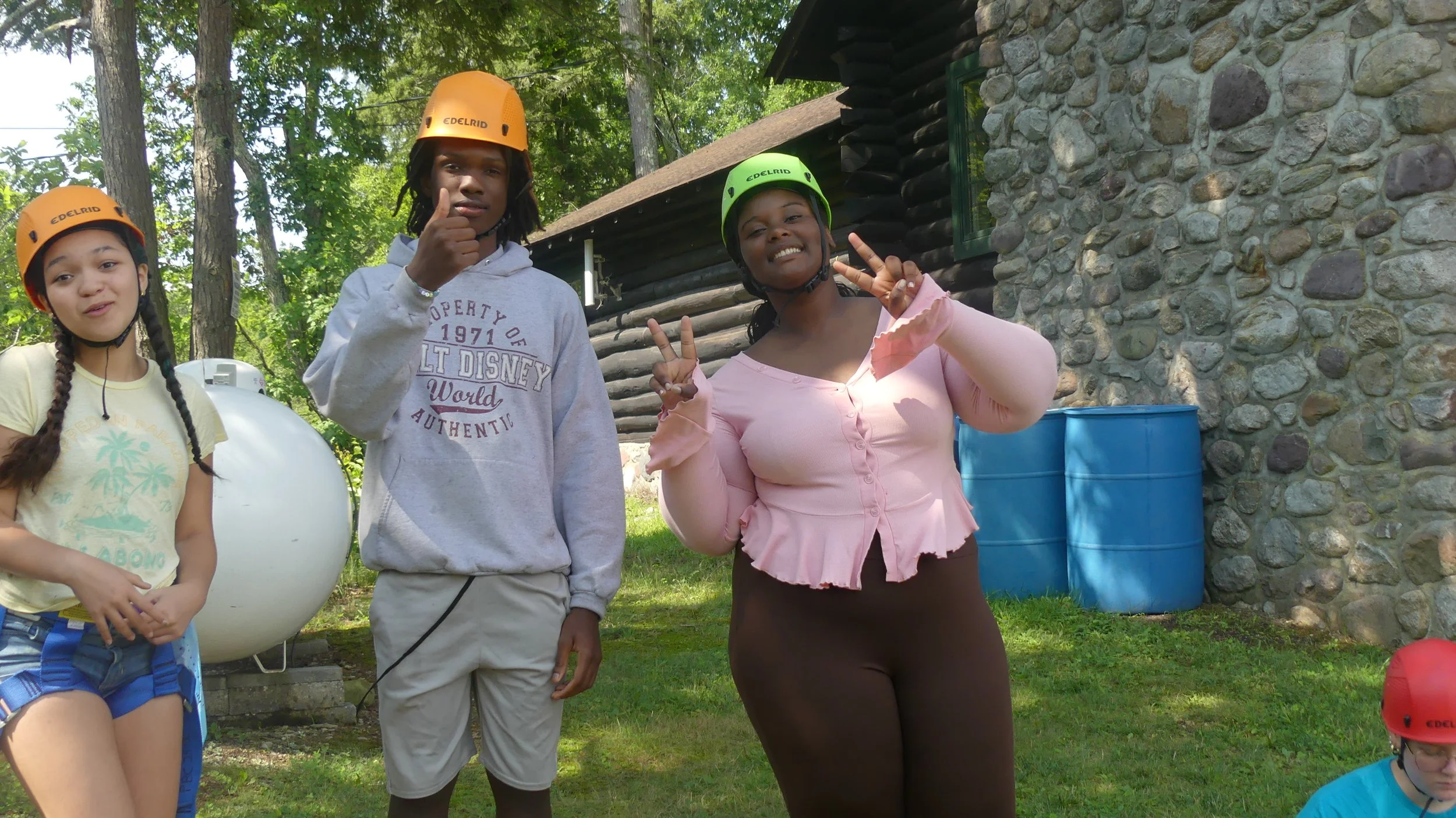
With every passing week, the LITs felt more comfortable and open in their sharing. One participant shared about how much she had feared doing the more physical aspects of the program, such as hiking and the high-ropes courses: “I felt that I was going to be judged for slowing everyone down, but instead I felt supported to go at my own pace. I’m glad I challenged myself because I consider the hikes one of my top favorite moments in my life.”
The Plot IS the Point
The Leader-In-Training Program at PBC is unique in the sense that the experience has less to do with learning than it does with BECOMING. With such a selective number of participants, every LIT gets real experience leading: planning a group activity, mentoring a peer through something hard, and being the one others look to when a decision needs to be made. Alongside emotional and social growth, LITs also get the chance to build practical competence that makes leadership feel less abstract: cooking meals, managing conflict, budgeting time, and taking care of themselves and others.
During their last week on Campus, the LITs received a unique opportunity. Each year, the LITs embark on a three-day camping trip deep in the woods of the Campus as the ultimate challenge of all their newly gained skills. However, the traditional LIT campsite had been converted into an exciting new ropes course. This left the LITs with the task of creating a new space for themselves and for future LIT cohorts to have their camping trip. They selected a location, cleared spaces for tents and a fire pit, and even created the new name for the permanent campsite: The EverLIT Hollows. As one of the LITs who helped create the new name of the campsite stated, “When I think of the name EverLIT, I think of evergreen trees, and how they are forever green, even as their environment changes. It makes me think that even as we leave this place, we will always be an LIT at heart.” It was a service project that created a special legacy for this cohort. They realized that even while their individual stories were being written, they were also writing their group story together.
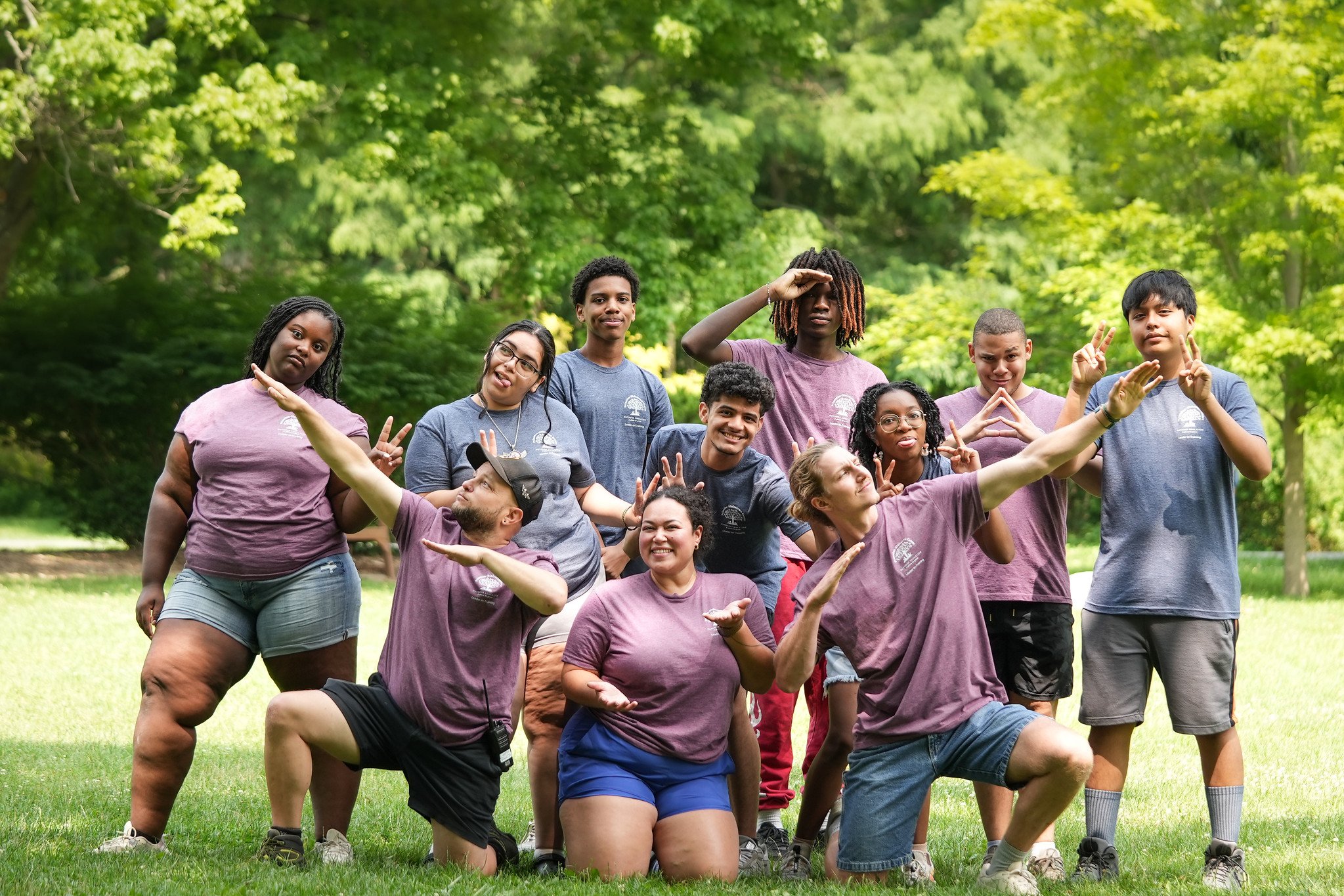
The last campfire of the 2026 LIT season was shared together at the EverLIT Hollows, in this new space they had created for themselves and for those to follow. The LITs realized the stories that they were sharing over this final fire were soon to become memories. But, as the last embers of this fire slowly died, the fire they had carefully been building inside themselves over the past five weeks was burning brighter than ever.
“We all carry a piece of that sacred fire within us. We have to honor it and care for it. You are the firekeeper.”
— Braiding Sweetgrass for Young Adults: Indigenous Wisdom, Scientific Knowledge, and the Teachings of Plants, written by Robin Wall Kimmerer and adapted by Monique Gray Smith. (The Literature Selection of Choice for this year’s LIT cohort, which was read together, sometimes at a campfire.)